
James Hardie vs. Vinyl vs. Cedar Siding Which Is Best for Oregon Homes?
If you’re researching siding options for a Pacific Northwest home, you’ll find strong opinions in every direction. Hardie salespeople push fiber cement. Vinyl contractors push vinyl. Cedar advocates push natural wood. Who’s right?
The honest answer: it depends on your home, your priorities, and what you’re willing to maintain. But in Oregon’s specific climate, some materials are genuinely better suited than others. Here’s a straightforward breakdown.
Oregon's Climate Demands What Siding Actually Faces Here
Before comparing materials, understand what they’re up against in Western Oregon:
- 50+ inches of annual rainfall (Portland) with even more in the Coast Range foothills
- Sustained moisture and humidity for 7–8 months of the year
- Active moss and algae growth on most exterior surfaces
- Moderate freeze-thaw cycling in winter
- Warm, dry summers with occasional UV intensity
- Wind events that test installation fastenings
Any siding you install will face all of this. How each material handles it is where the comparison gets real.
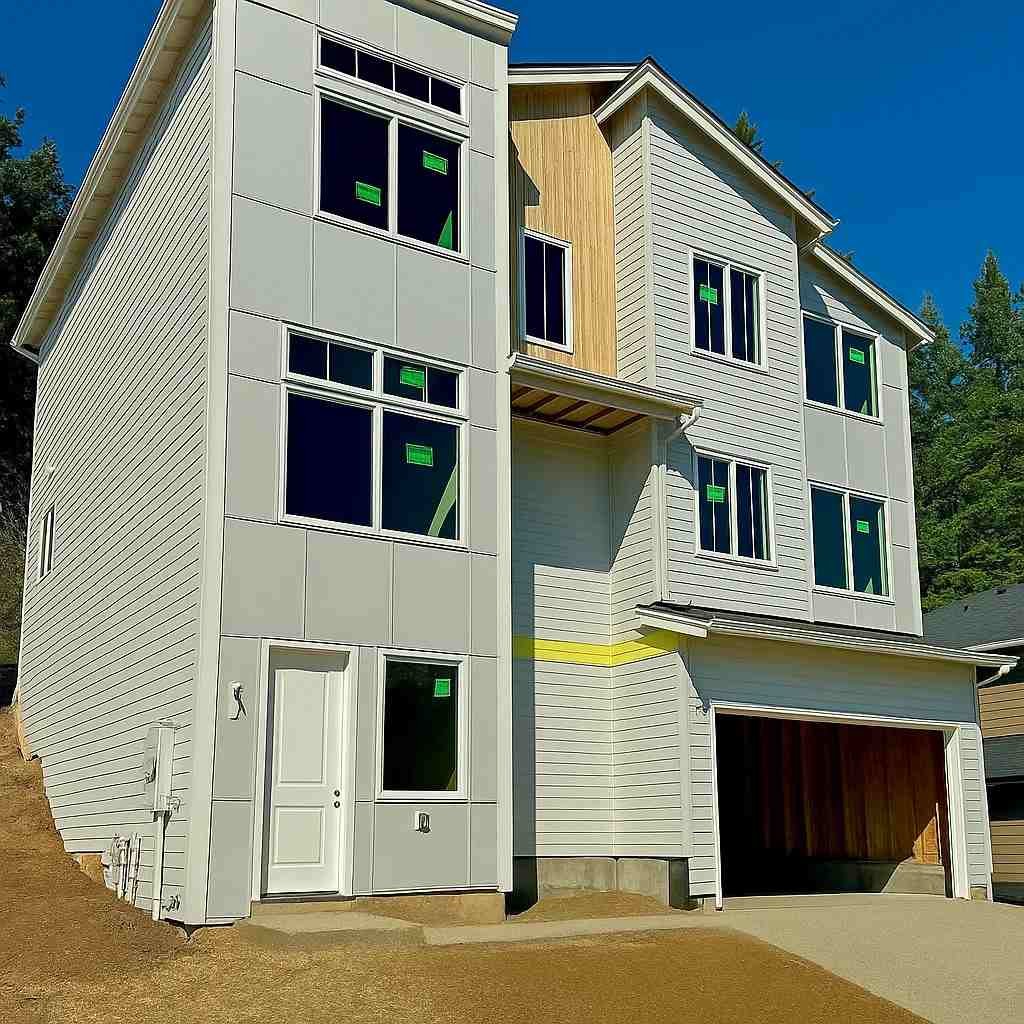
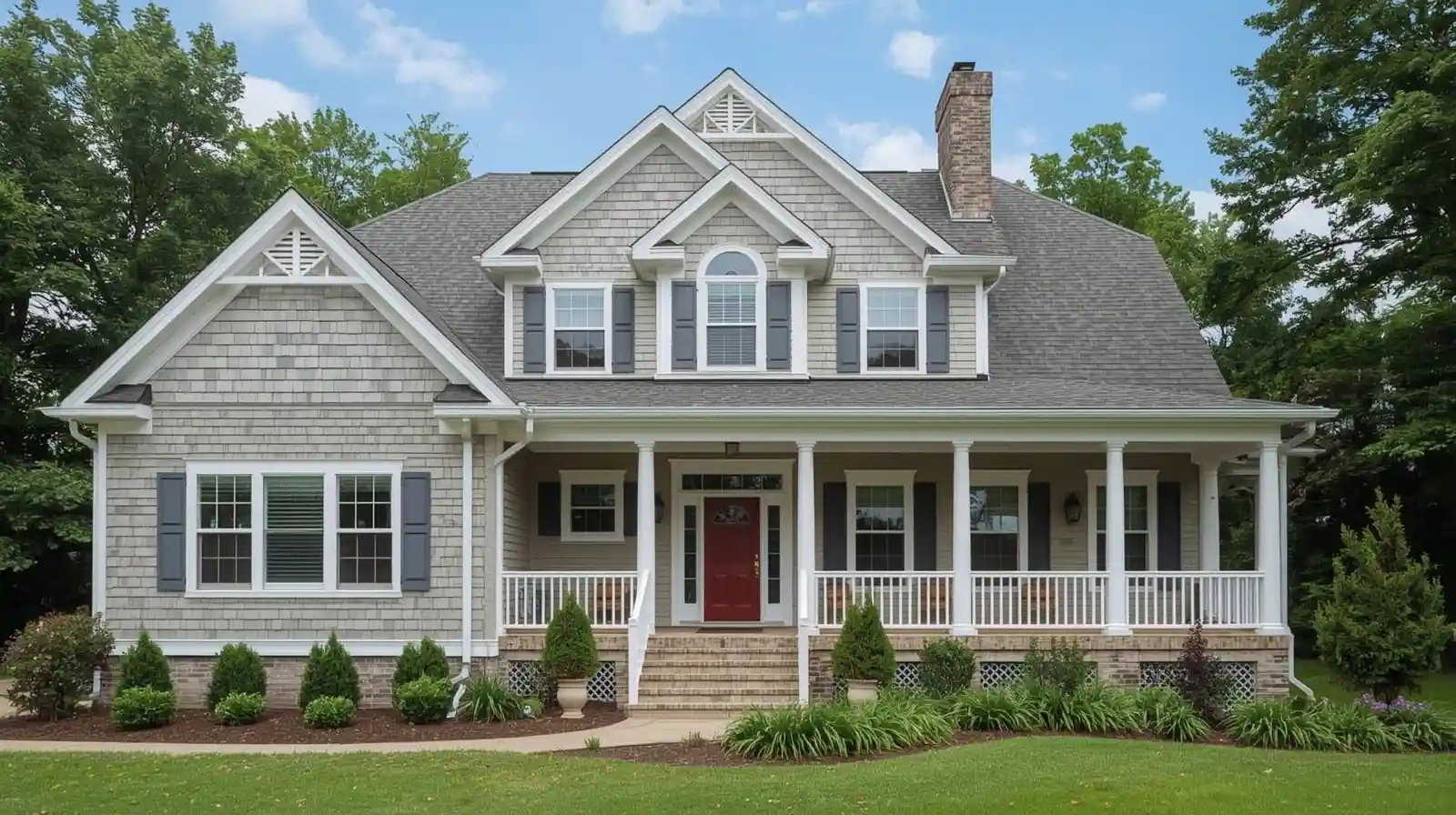
James Hardie Fiber Cement
What it is: A composite of cement, sand, and cellulose fiber, formed into boards and panels that look like wood.
How it performs in Oregon: Engineered for wet climates—won't rot, absorb moisture, or support mold/moss. Noncombustible and withstands freeze-thaw cycles. The ColorPlus factory finish outlasts field-applied paint by years.
The honest downsides:
- Heavier than vinyl (higher labor cost)
- Can crack if impact-stressed at edges
- Requires proper clearance from grade/roofing
Best for: Most Oregon homes. Our top overall recommendation for PNW conditions.

Vinyl Siding
What it is: Extruded PVC profiles in a range of styles and colors.
How it performs in Oregon: Won't rot, requires no painting, and holds up well in wet weather. A solid choice for budget-conscious projects.
The honest downsides:
- Lower grades can become brittle in cold
- Severe impacts (hail, ladders) can crack it
- Can wave/buckle if installed without expansion gaps
- Lower fire performance than fiber cement
Best for: Homeowners looking for a clean, low-maintenance, cost-effective exterior.

Cedar Siding
What it is: Natural western red cedar milled into lap boards, shingles, or channel siding.
How it performs in Oregon: Oregon's native material for over a century. Naturally moisture/insect resistant, highly durable, and beautiful when maintained.
The honest downsides:
- Requires repainting/restaining every 5–7 years
- Susceptible to rot if end grain is unsealed
- Woodpeckers target wood siding
- Higher material & maintenance cost
Best for: Homeowners who value natural wood character and are committed to routine upkeep.
The Bottom Line for Oregon Homeowners
| Hardie Fiber Cement | Vinyl | Cedar | |
|---|---|---|---|
| Oregon climate fit | ★★★★★ | ★★★☆☆ | ★★★★☆ |
| Moisture resistance | Excellent | Good | Fair |
| Maintenance level | Low | Very low | High |
| Fire resistance | Excellent | Poor | Poor |
| Lifespan | 30-50 years | 20-40 years | 20-35 years |
| Warranty | 30-year (Hardie) | Varies | None |
| Cost | Mid-high | Low-mid | Mid-high |
Our Honest Recommendation
For most Oregon homeowners, James Hardie fiber cement is the right choice the long-term value, low maintenance, and climate fit are hard to argue with. But if your budget is tight, quality vinyl is a real option. And if you genuinely love cedar and are willing to maintain it, we’ll install it well and tell you exactly what you’re signing up for. We give you a real recommendation based on your home, not on which product has the best margin