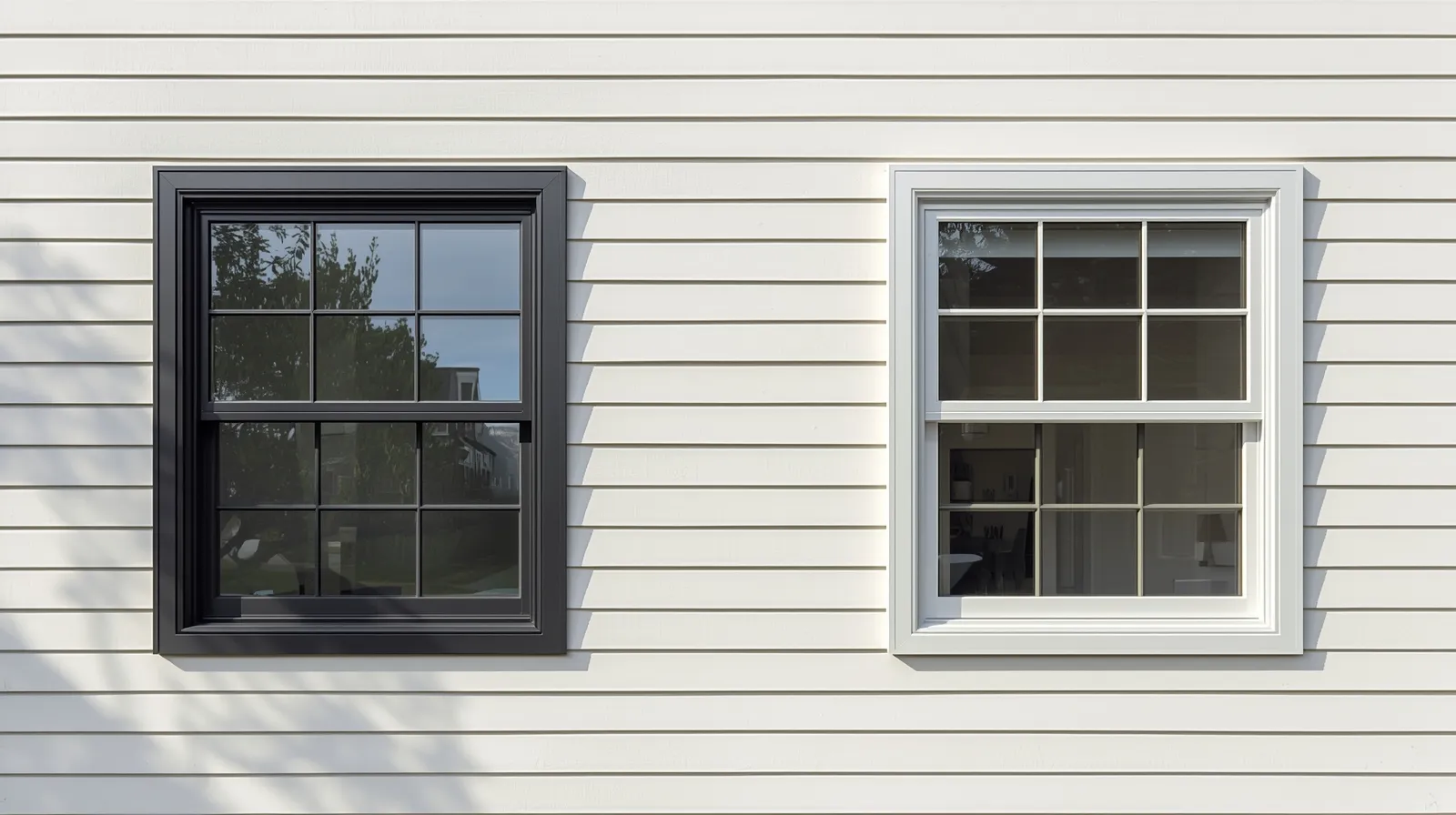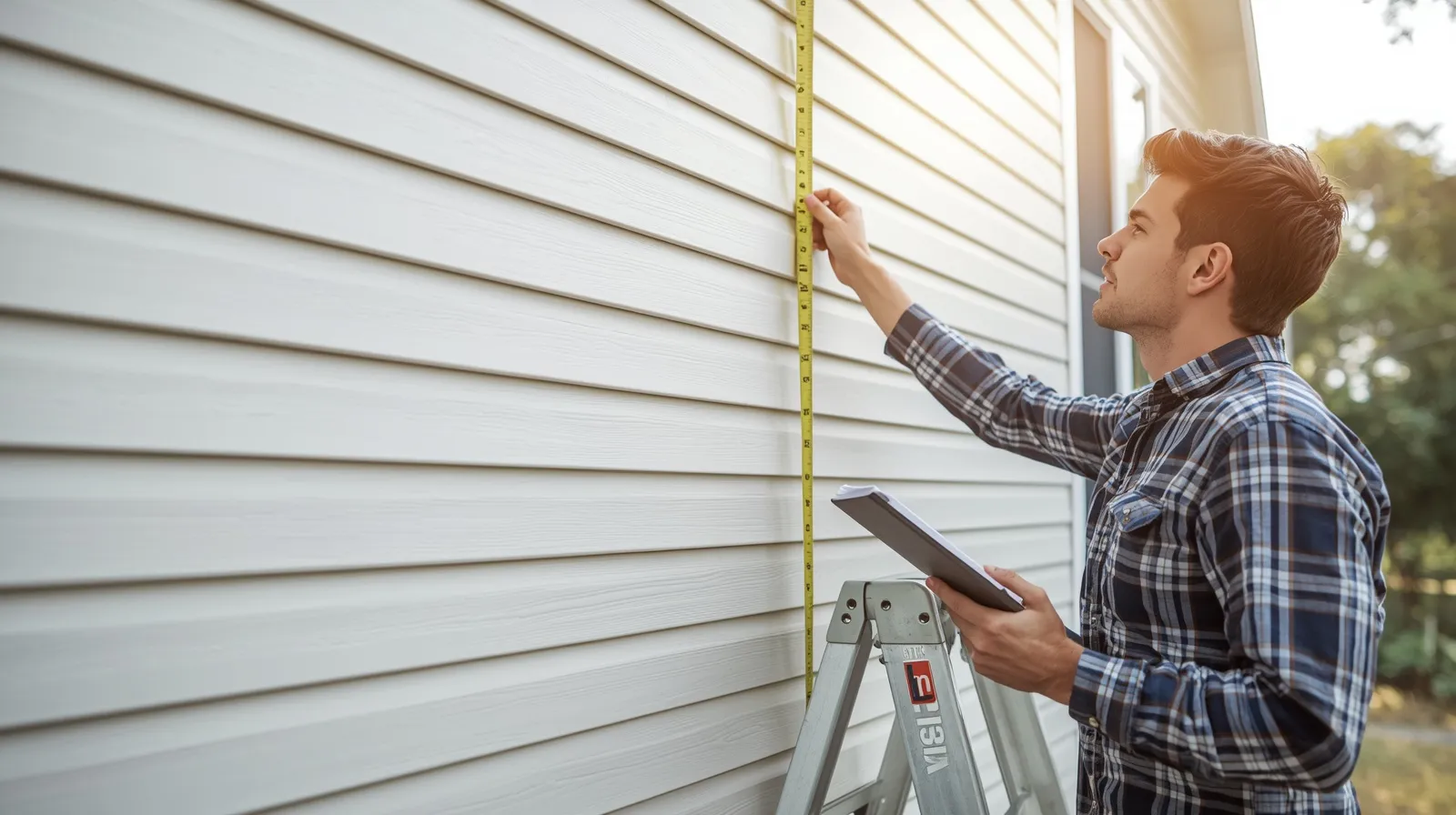
Many homeowners wonder, what does asbestos siding look like? It usually appears as flat, cement-like panels or shingles with a smooth or wood-grain surface. Common colors include gray, white, or light pastel shades. You might see fine fibers along broken edges or uniform rectangular shapes on older homes. Asbestos siding was popular for its strength, but it can be dangerous if damaged or disturbed. Knowing how to recognize it and when to call professionals can help protect your home and family.
Understanding What Asbestos Siding Really Is
Asbestos siding is a type of exterior wall covering made from a mixture of cement and asbestos fibers. This material became popular in the early 1900s because it resisted fire, moisture, and pests better than wood. It also helped homes stay cool during hot weather. Builders liked it because it was affordable and long-lasting.
However, scientists later discovered that asbestos fibers could cause serious health problems when inhaled. Even though it’s no longer used in modern construction, many older homes still have asbestos siding today. Learning how to spot it helps you make safer decisions when planning maintenance or renovation projects.
As long as asbestos siding remains undamaged, it usually doesn’t pose a threat. The danger comes when people cut, sand, or remove it without proper safety measures. That’s why recognizing its appearance and understanding its risks are so important.
Why Homeowners in Hillsboro Should Know About Asbestos Siding
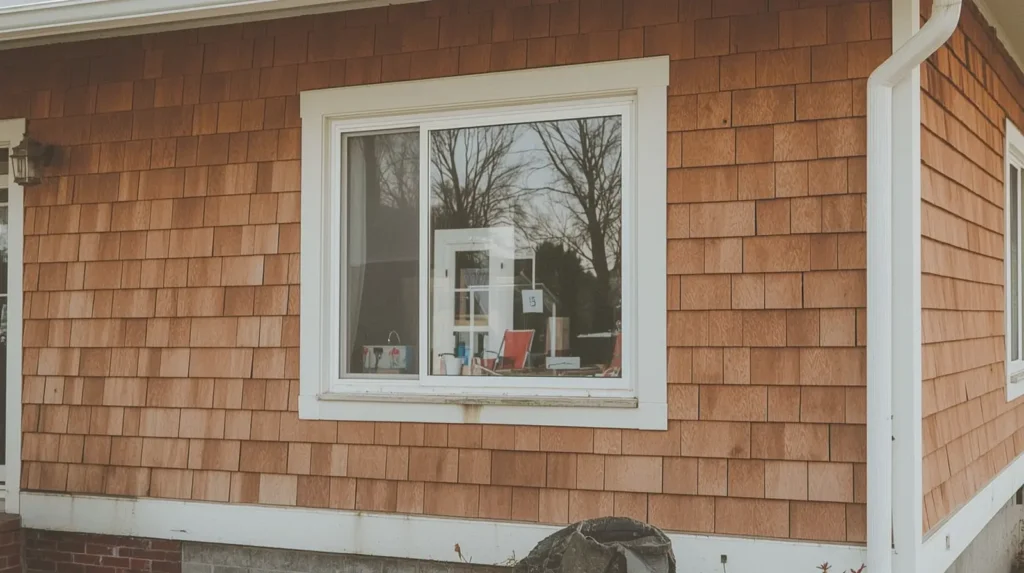
In a city like Hillsboro, where many charming homes date back several decades, asbestos siding is not uncommon. Homeowners often discover it when they repaint, replace windows, or remodel their exteriors. If you live in an older home, you might not realize your siding contains asbestos until you start a project.
FONZ Construction has worked with many local families who faced this issue. The company’s experts inspect homes carefully and help homeowners decide whether repair, encapsulation, or full replacement is best. Understanding what asbestos siding looks like gives you a head start in making the right choice.
What Does Asbestos Siding Look Like on a Typical Home
Asbestos siding can take on several appearances depending on the brand and style used. Most often, it looks like:
- Flat or slightly wavy panels with a cement-like texture.
- Rectangular shingles laid in overlapping rows.
- Wood grain patterns printed into the surface to mimic wooden siding.
- Gray, white, or tan tones that fade over time.
When damaged, you may notice small, hair-like fibers at the edges or inside cracks. The panels often feel heavier and harder than vinyl or wood. On older homes, asbestos siding might be hidden beneath a newer layer of vinyl or aluminum siding. If you’re unsure, it’s safest to have it tested.
Common Asbestos Siding Types Found in Older Homes
Asbestos siding came in several variations, each designed to match a particular aesthetic. Understanding these types can help you recognize them more easily:
Asbestos Fiber Cement Siding
This was the most common type. It’s thick, solid, and has a smooth or lightly grooved surface. The edges tend to be sharp, and the pieces are very rigid.
Asbestos Shingle Siding
These resemble wooden shingles. They may have small vertical grooves or grain-like designs on the surface.
Asbestos Slate Siding
Mimicking natural slate, this version is darker, heavier, and has a flat matte finish.
Asbestos Wood Siding
This type was made to look like wooden boards with horizontal lines. It often came pre-painted and was popular in mid-century homes.
Each of these asbestos siding types was durable and attractive for its time, but today they are outdated and potentially unsafe if disturbed.
Key Signs That Help Identify Old Asbestos Siding
Even though asbestos siding may look like modern materials, there are some signs that set it apart. Here’s what to check for:
- Age of the home: Built before 1980.
- Texture: Hard, brittle, and cement-like feel.
- Edges: Sharp, with visible fibers if chipped.
- Patterns: Straight rows, shingle overlaps, or grooved wood-like surfaces.
- Weight: Heavier than vinyl or aluminum siding.
If you find these traits, do not attempt to remove or clean the material yourself. Professional inspection is the safest option. Even a small break in a panel can release asbestos fibers into the air.
Differences Between Asbestos Fiber Cement Siding and Modern Materials
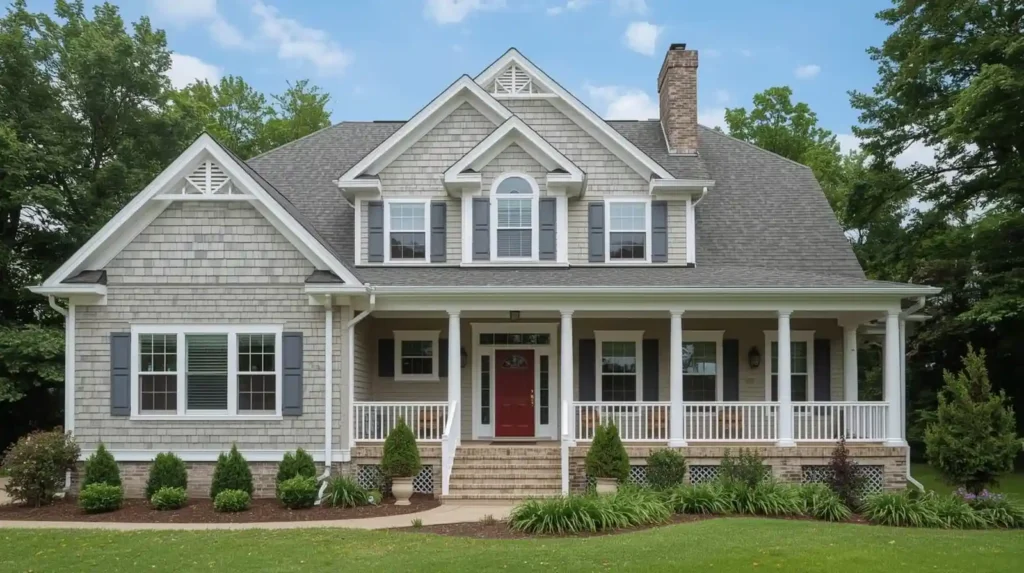
Many people confuse asbestos fiber cement siding with modern fiber cement products. Both look similar, but they differ in composition and safety.
- Asbestos Siding: Contains asbestos fibers mixed with cement. It’s dense, fragile, and can release hazardous dust when broken.
- Modern Fiber Cement Siding: Made with sand, cellulose fibers, and Portland cement. It’s durable, eco-friendly, and safe to cut or install.
Modern materials, such as Hardie board, are designed to mimic the look of wood or stone without the health risks. They are lighter, easier to work with, and resistant to weather damage. Replacing asbestos siding with these alternatives gives your home a clean look and peace of mind.
Why Testing Matters Before Any Renovation or Removal
Before doing any renovation, you should confirm whether your siding contains asbestos. A visual guess isn’t enough, because other materials can look nearly identical. Professional testing is quick, affordable, and provides certainty.
An inspector collects a small sample safely and sends it to a certified lab. The lab then determines if asbestos fibers are present. This process helps you decide whether to encapsulate, cover, or remove the siding.
Trying to remove asbestos siding yourself without testing can spread harmful dust throughout your property. Always trust certified professionals who follow safety laws and disposal regulations.
The Health and Safety Risks of Damaged Asbestos Siding
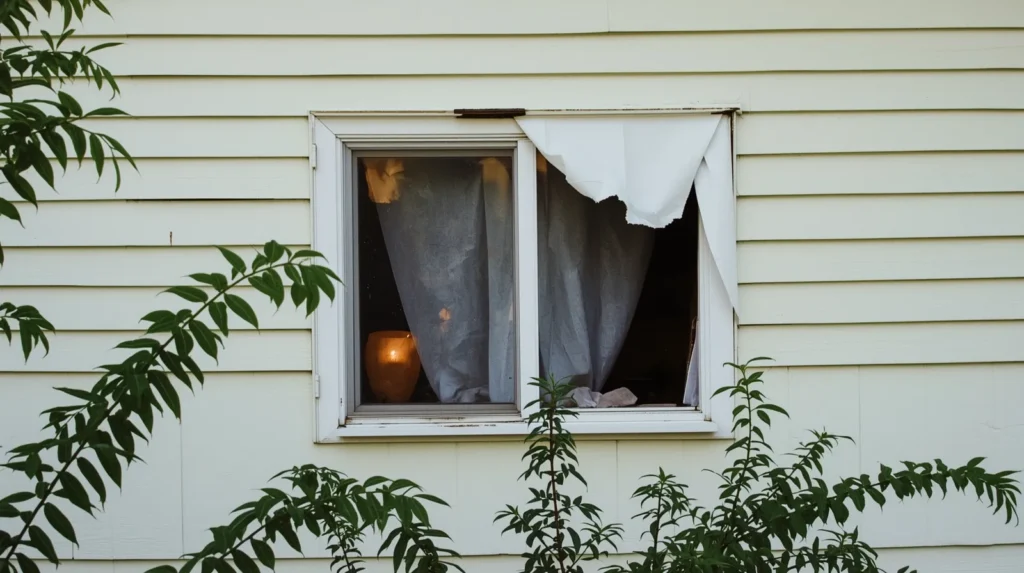
Asbestos fibers are extremely small and can stay in the air for hours once released. When inhaled, they can cause lung diseases like asbestosis, lung cancer, or mesothelioma. These illnesses develop slowly, sometimes years after exposure.
The good news is that asbestos siding is not dangerous if left undisturbed. Problems arise when homeowners drill, sand, or cut into it during repairs. Even simple actions like pressure washing or scraping off paint can loosen fibers.
FONZ Construction always prioritizes homeowner safety. Their trained professionals use protective gear, sealed work zones, and approved disposal methods to ensure that fibers never spread.
How to Safely Handle or Replace Asbestos Siding
If you suspect your siding contains asbestos, follow these safety tips:
- Do not sand, drill, or saw the siding.
- Avoid scraping paint or power washing.
- Call a certified asbestos contractor for testing and removal.
- Seal the surface if it’s in good shape but you’re not ready to replace it.
- Dispose of debris only at approved asbestos disposal sites.
When handled correctly, asbestos siding can be safely covered with modern materials instead of removed. This process, called encapsulation, prevents fibers from escaping and saves on costs.
However, if the siding is cracked, flaking, or breaking apart, full removal may be necessary. Always let professionals handle this process to protect your health.
Why Hiring Professionals Like FONZ Construction Is the Right Move
Hiring experts for asbestos siding inspection or replacement saves time, money, and stress. FONZ Construction has years of experience dealing with old asbestos siding in Hillsboro and nearby areas. Their team knows how to recognize different asbestos siding types, handle testing, and replace old panels with modern, safe options.
Professionals not only remove asbestos safely but also ensure your home passes local environmental regulations. You also get help selecting new siding that matches your style and boosts your property value. Choosing FONZ Construction means getting peace of mind and expert service from start to finish.
Protect Your Home’s Future With Safe, Modern Siding Solutions
Old asbestos siding can give your home a dated appearance and potential health risk. Modern siding materials are safer, lighter, and longer-lasting. Options like fiber cement, vinyl, and composite panels replicate the look of old asbestos siding without the danger.
Replacing outdated materials can also reduce maintenance and increase energy efficiency. Plus, modern siding adds curb appeal and resale value.
If you think your house has asbestos siding, don’t panic. The key is to leave it alone until a professional inspects it. Whether you choose removal or encapsulation, taking action now ensures your home stays safe and beautiful for years to come.
If you suspect your siding contains asbestos, contact FONZ Construction today. Our experts can inspect, test, and safely replace your old siding with new, durable materials that protect your home for decades. Schedule your inspection now and enjoy the comfort of a safe, modern exterior.