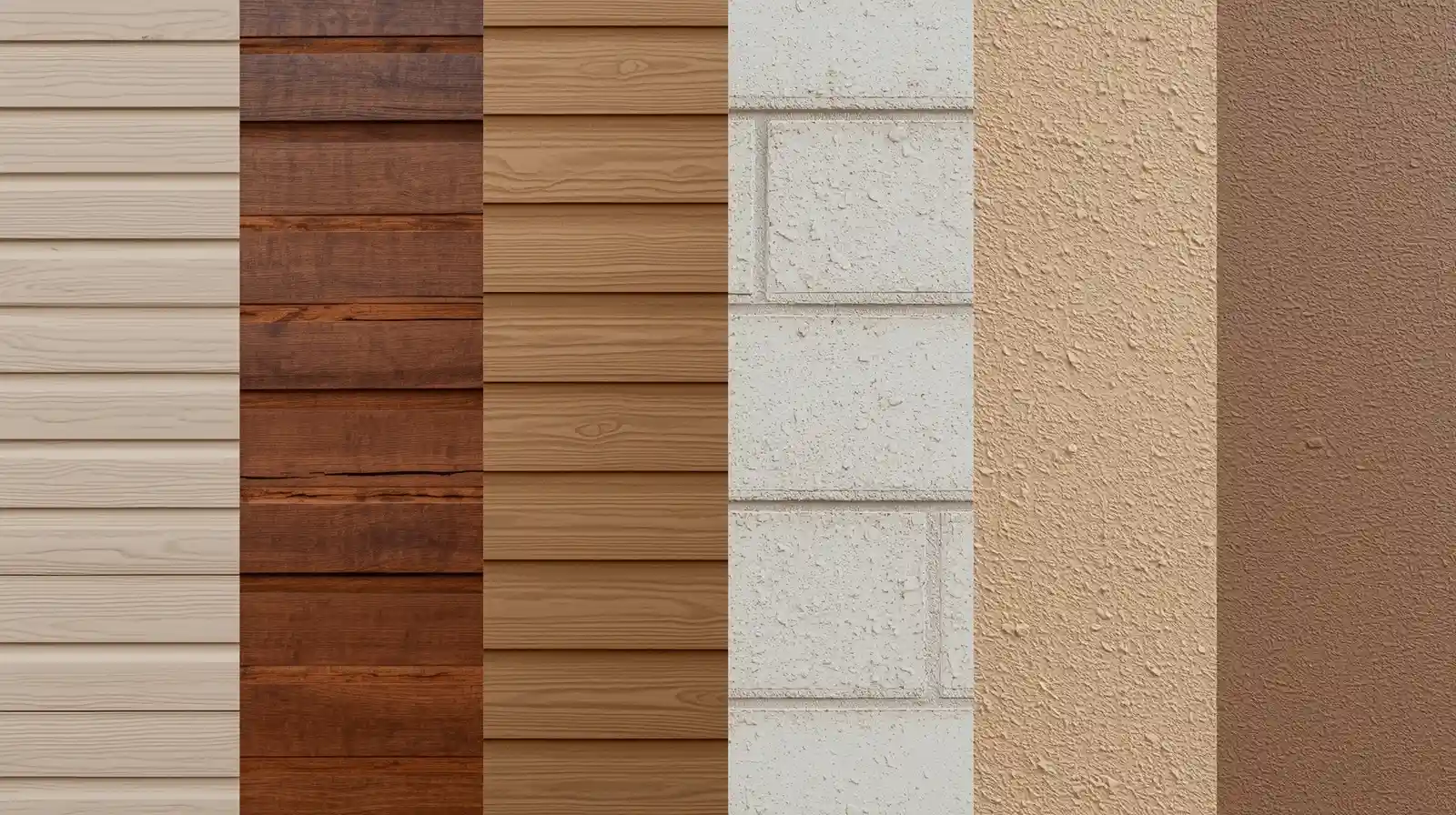
The main types of wood decking are softwood, hardwood, and tropical hardwood options. Each type offers different looks, durability, and maintenance needs. Softwoods like cedar are affordable and warm in color, while hardwoods such as ipe, cumaru, and garapa last longer and resist wear. Choosing the right types of wood decking depends on your budget, style, and climate. This guide explains the pros, cons, and best options so you can build a beautiful deck that lasts for years.
The Timeless Appeal of Wood Decking
A real wood deck adds life and warmth to any home. It has a charm that never goes out of style. The texture, color, and natural grain patterns give your outdoor area a rich and inviting feel that synthetic materials can’t match. Whether it’s a cozy space for morning coffee or a gathering place for family and friends, wood creates a relaxing atmosphere that connects you to nature.
The appeal of wood decking also comes from its versatility. It blends beautifully with both traditional and modern architecture. Homeowners often choose wood because it feels authentic and enhances the value of their home. In a place like Hillsboro, where natural beauty surrounds every neighborhood, wood decks fit perfectly into the outdoor landscape.
Over time, wood ages gracefully. Its color deepens, and it develops a patina that gives it character. Unlike plastic or composite materials, a wooden deck can be refinished and restored, making it a long-term investment in both beauty and function.
Why Choosing the Right Decking Type Matters
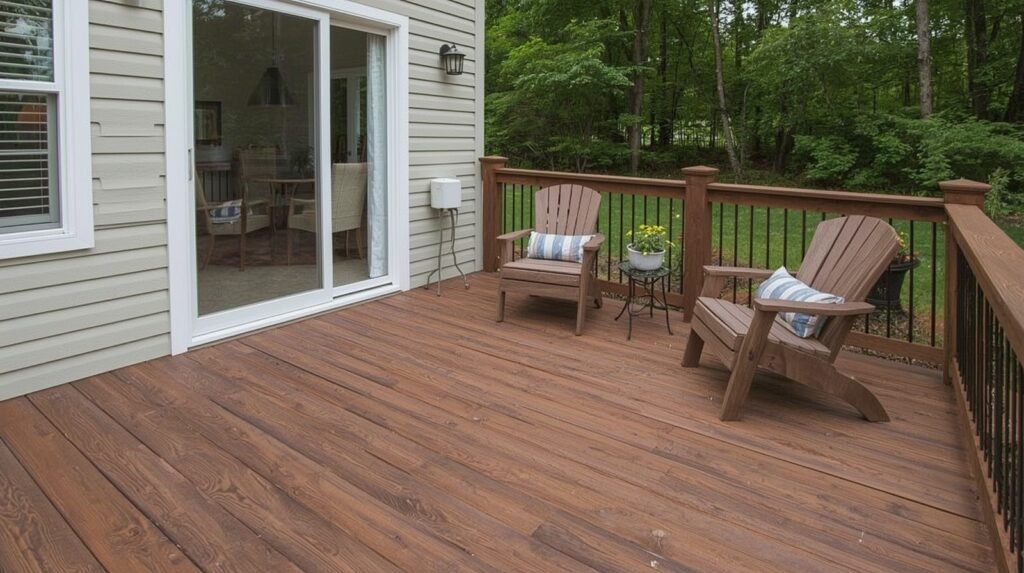
The type of wood you select can make or break your deck’s performance. Some woods are softer and need regular care to stay strong, while others are naturally dense and can last for decades with minimal maintenance. Choosing the right decking material ensures that your investment holds up against time, weather, and foot traffic.
Every climate and home has different needs. Areas that get heavy rain require decking that resists moisture, while sunny areas need wood that won’t fade quickly. Maintenance is another factor. Some woods only need occasional oiling, while others may need annual sealing to protect against rot and insects.
Understanding wood decking material options will help you balance cost, durability, and appearance. When you know what each wood type offers, you can make a smart decision that fits your home, lifestyle, and budget.
Overview of the Main Types of Wood Decking
Wood decking generally falls into three categories: pressure-treated, natural softwood, and tropical hardwood.
1. Pressure-Treated Softwood
This is the most common and affordable type. Usually made from pine, it’s treated with chemicals to resist decay, rot, and termites. Pressure-treated wood is widely available, easy to install, and can last up to 15 years with proper care. It’s a great starting point for homeowners looking for a cost-effective deck.
2. Natural Softwood Decking
Cedar and redwood are top choices here. These woods contain natural oils that make them resistant to rot and insects without chemical treatment. They’re lighter and easier to cut than hardwoods, and they offer a warm, natural appearance that fits almost any outdoor design.
3. Tropical Hardwood Decking
For those who want long lasting decking, tropical hardwoods like ipe, garapa, and cumaru are unmatched. They’re extremely dense and naturally resistant to weather and pests. They can last 30 to 40 years with minimal upkeep. The only trade-off is cost and installation difficulty, but the longevity makes them worth it.
Each category has its pros and cons. Softwoods are affordable and easier to work with, while hardwoods are tougher and more durable, giving homeowners flexibility in design and price.
Comparing Softwood and Hardwood Decking Materials
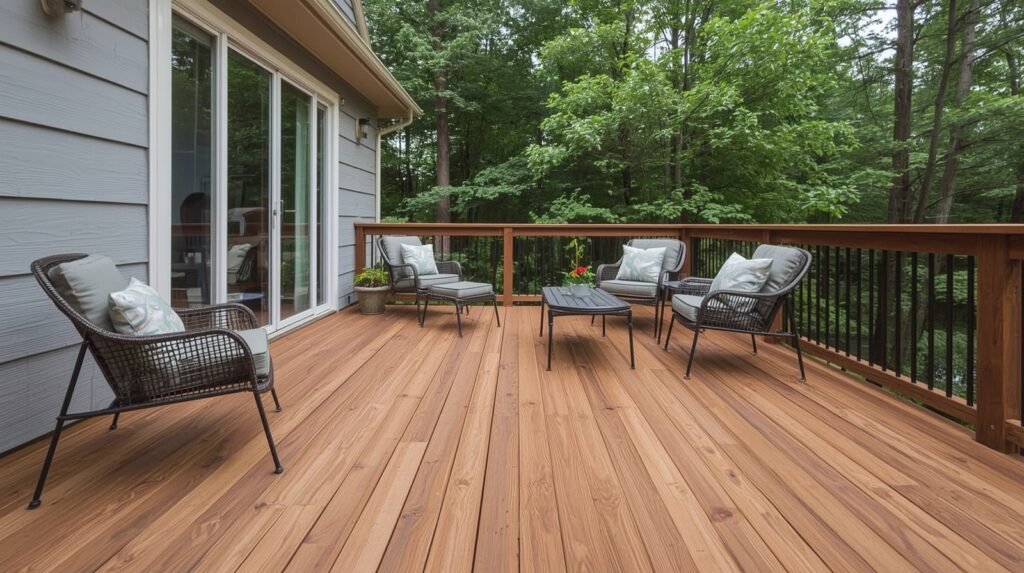
When you compare softwood and hardwood decking materials, you’re essentially weighing convenience against long-term durability. Softwoods like cedar and redwood have a lighter structure, making them easier to cut and install. They are perfect for homeowners who want natural beauty with moderate maintenance.
Hardwoods, on the other hand, are much denser. They resist scratches, dents, and insects better than softwoods. Because of their tight grain structure, hardwoods don’t absorb moisture easily, which means fewer chances of warping or rotting. These qualities make them an ideal choice for long lasting decking that keeps its strength for decades.
One thing to note is maintenance. Softwoods usually need yearly sealing to keep their color and prevent damage, while hardwoods can maintain their natural look for longer periods. However, oiling hardwoods once or twice a year can enhance their appearance and help them last even longer.
For many homeowners, the decision comes down to budget and aesthetics. Softwoods provide a classic, cozy charm, while hardwoods deliver luxury and longevity.
Popular Wood Decking Material Options Homeowners Prefer
Homeowners often choose from several popular wood types depending on their style, budget, and desired maintenance level.
Cedar – Known for its rich color and natural scent, cedar is lightweight and naturally resistant to decay. It doesn’t warp easily and holds finishes well. Regular sealing keeps it looking new for years.
Redwood – A premium softwood, redwood offers vibrant color and a silky texture. It’s stable in sunlight and doesn’t easily split or shrink. It’s also naturally insect-resistant.
Pressure-Treated Pine – One of the most budget-friendly deck wood types, it’s chemically treated to resist rot and pests. It’s easy to find and simple to work with, though it needs consistent maintenance.
Ipe – A tropical hardwood that can last up to 40 years. It’s incredibly dense, weather-resistant, and nearly maintenance-free. Its dark brown tones create a luxurious look.
Garapa – A lighter-toned hardwood that’s smooth and golden. It’s a bit more affordable than ipe but still offers excellent durability.
Cumaru – Similar to ipe but slightly more reddish-brown. It’s tough, long-lasting, and visually striking.
These wood decking material options cover a wide range, from affordable to premium. Choosing the right one depends on the balance between looks, cost, and longevity that fits your needs.
Exploring Exotic and Long-Lasting Hardwood Decking
Exotic hardwoods are the ultimate choice for beauty and strength. When comparing Garapa vs Cumaru, the differences come down to color, density, and price.
Garapa has a soft golden tone that turns honey-brown as it ages. It’s smooth to walk on and naturally resistant to moisture and decay. Garapa offers the perfect mix of beauty and affordability, making it popular among homeowners who want high performance without paying top dollar.
Cumaru, often called Brazilian Teak, is denser and darker in color. Its interlocked grain and reddish-brown shade create a bold, elegant look. It’s one of the hardest woods available, resisting dents and scratches even under heavy use.
For homeowners who want a long lasting decking solution, both woods are excellent choices. The key difference lies in their appearance and cost. Cumaru has a deeper color and higher density, while Garapa has a lighter, more cheerful tone and is easier to work with.
If maintained properly, both can last more than 30 years. Regular oiling enhances the wood grain and protects against fading, helping your deck maintain its natural beauty.
Real-World Decking Material Options for Outdoor Use
When selecting outdoor deck wood types, it’s essential to think about your environment. Decks exposed to sun, rain, or snow need materials that can handle these conditions without damage.
Softwoods like cedar and redwood are great for mild climates. They resist moisture and stay cool under the sun. However, they may fade over time without proper sealing. Hardwoods like ipe, cumaru, and garapa, on the other hand, excel in all weather. Their dense structure makes them resistant to moisture, insects, and UV damage.
If your deck is partially covered or shaded, softwood may be ideal. It’s easier to install and offers a comfortable surface underfoot. For open decks that face extreme conditions, tropical hardwoods are the smarter choice. They last longer, maintain their color, and require less maintenance.
No matter the material, cleaning your deck regularly and applying a protective oil finish will help it stay strong and beautiful for years.
Cost and Maintenance Factors for Each Wood Type
Every type of decking material has its own balance of cost, appearance, and maintenance.
Pressure-Treated Pine – Very affordable upfront, but it requires yearly cleaning and sealing. Expect a lifespan of about 10–15 years.
Cedar and Redwood – Mid-range in price, around twice the cost of treated pine. They last 15–20 years with regular care. Applying stain or sealer every two years helps preserve their color.
Garapa – Slightly higher in cost but low in maintenance. It resists most weather effects naturally, lasting up to 25–30 years.
Cumaru – More expensive due to its density and rarity. It lasts over 30 years, often outliving the house itself when properly maintained.
While hardwoods cost more, they’re often more cost-effective over time. They don’t require frequent replacement, and they maintain their look longer.
Routine care for any deck includes sweeping debris, washing the surface, and applying a UV-protective oil once or twice a year. These simple steps help preserve both color and structure.
How to Choose the Best Type of Wood Decking for Your Home
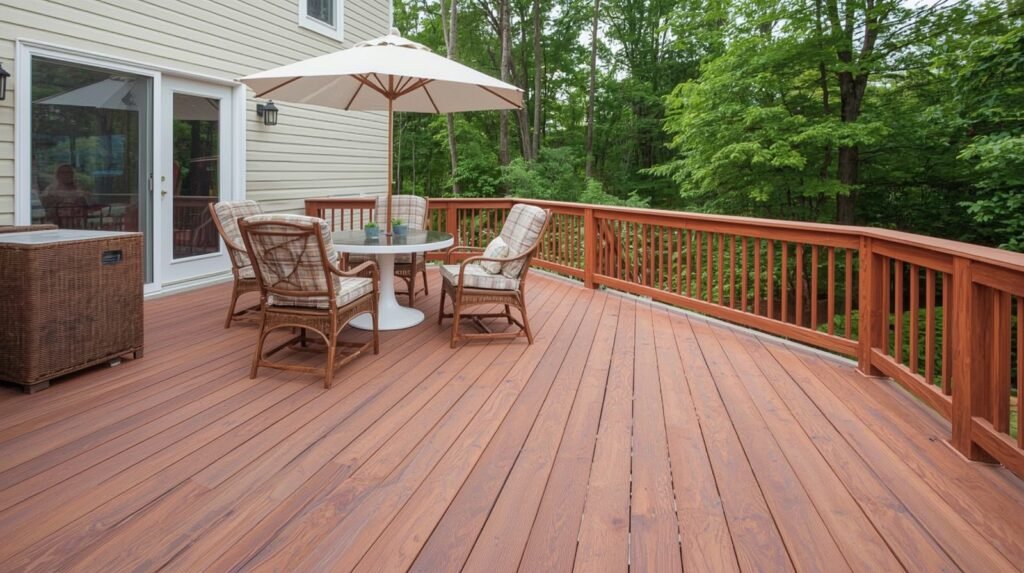
Selecting the right decking material depends on three main factors: budget, maintenance, and appearance.
- Budget – For those on a tighter budget, pressure-treated pine or cedar are reliable options. They’re beautiful, practical, and easy to install.
- Maintenance – If you prefer low upkeep, tropical hardwoods are your best choice. They resist damage naturally and last much longer.
- Appearance – Cedar and redwood have a warm, classic look. Hardwoods like cumaru and garapa create a high-end, modern feel.
Also, think about how you’ll use your deck. For high-traffic areas or entertainment spaces, harder woods like cumaru perform better. For smaller patios or areas with partial shade, softwoods offer a cozy, natural touch.
The key is to match the wood’s features to your lifestyle. A little planning upfront ensures that your deck looks beautiful and performs well for decades.
Professional Deck Installation and Craftsmanship by FONZ Construction
At FONZ Construction, we believe your deck should be built to match your vision and last for years to come. Our team has experience working with all decking wood types, including softwoods and tropical hardwoods. From design consultation to precise installation, every step is handled with care and craftsmanship.
We don’t just build decks; we build outdoor spaces that bring families together. Using quality materials and expert techniques, we ensure each deck stands up to weather, wear, and time. Our professionals guide you through choosing materials, finishes, and layouts that match your home’s look and budget.
Whether you prefer the golden tones of garapa or the deep richness of cumaru, we’ll help you select the best fit. FONZ Construction takes pride in creating decks that combine timeless beauty with long-term durability.
Ready to Build a Long-Lasting Deck in Hillsboro?
If you’ve been dreaming of a deck that enhances your home and stands strong through the years, now is the perfect time to start. With so many wood decking material options, there’s a perfect match for every home and every lifestyle.
A well-built wood deck doesn’t just add space it adds value and comfort. Whether you love the natural glow of cedar or the lasting power of hardwood, investing in the right material means enjoying a stunning deck that feels great underfoot and looks amazing for years to come.
Ready to bring your dream outdoor space to life? Contact FONZ Construction today for a free consultation. Let our experts help you design and build a deck that fits your home, your style, and your future. Your perfect outdoor retreat is only one call away.