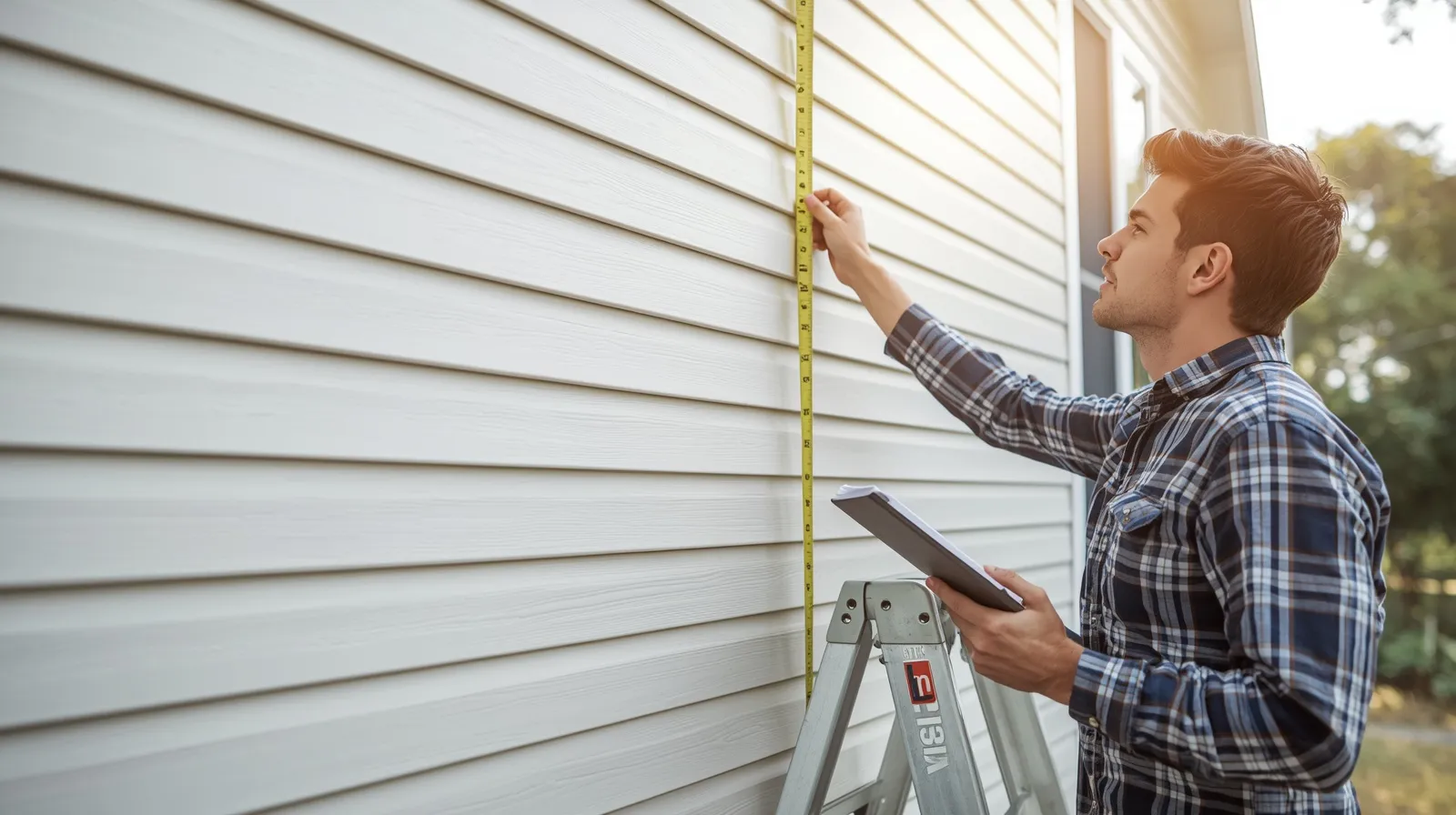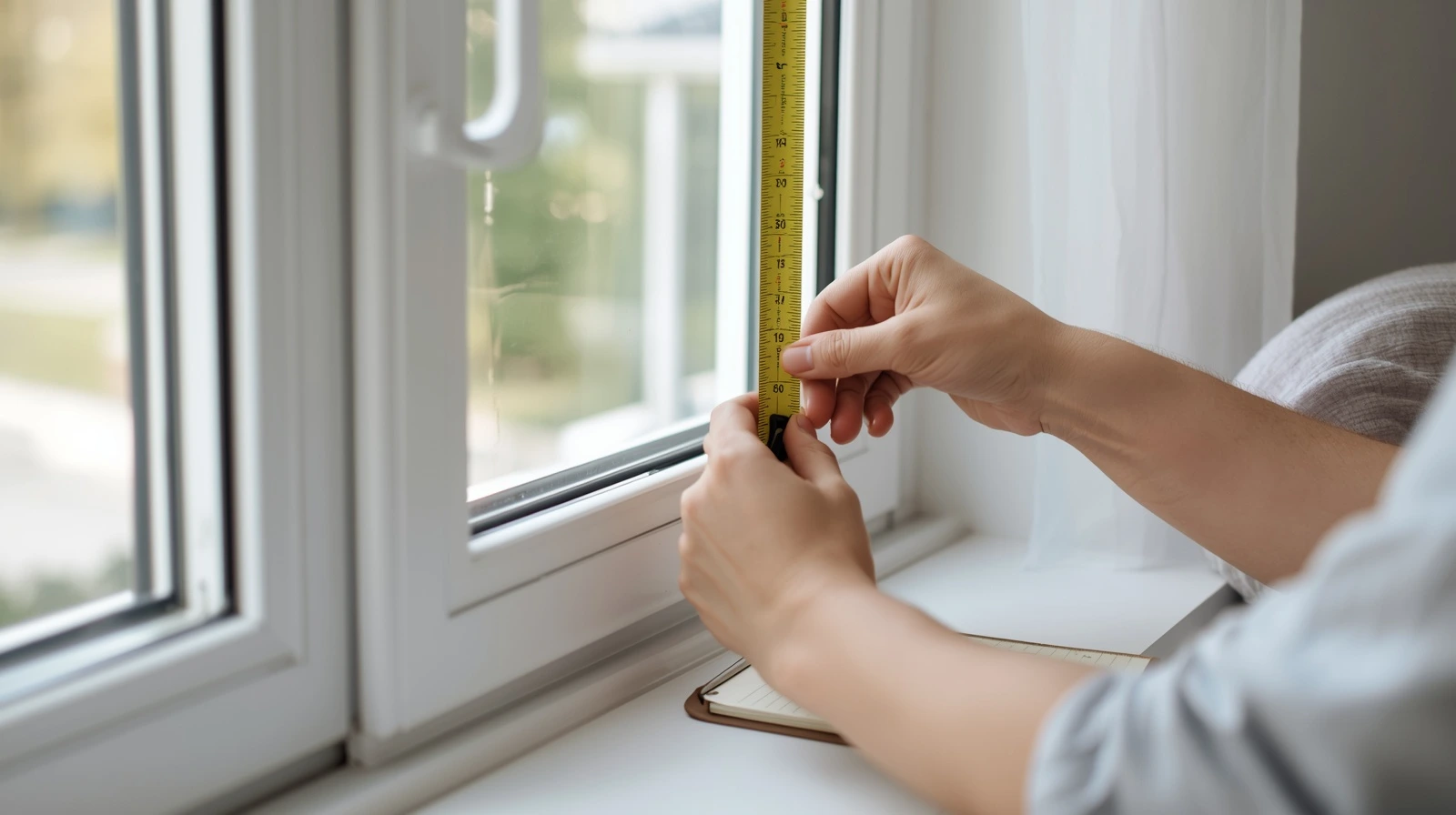
How to Winterize Windows means sealing gaps, adding insulation, and protecting both the inside and outside of your windows so cold air stays out and warm air stays in.
Why Cold Weather Makes Windows a Problem
Many homeowners ask how to winterize windows before the cold season begins. The answer is simple. You seal air leaks, improve insulation, and protect weak areas around the frame and glass. When you winterize your windows the right way, your home stays warmer, your heater works less, and your energy bills stay lower. Small gaps can let in a lot of cold air. Fixing them early saves money and prevents damage. In this guide, you will learn practical steps you can follow on your own, plus signs that show when expert help is needed.
Cold weather can be hard on your home. Windows often cause the biggest heat loss. Even strong windows can allow drafts if seals break down. When winter comes, the temperature difference between inside and outside grows. Warm air tries to escape. Cold air pushes in through small cracks. This makes rooms feel uncomfortable.
If you ignore this problem, you may notice higher energy bills, foggy glass, or even water damage around the frame. Winter preparation is not just about comfort. It protects your home structure too.
What Homeowners Should Know Before Winter Starts
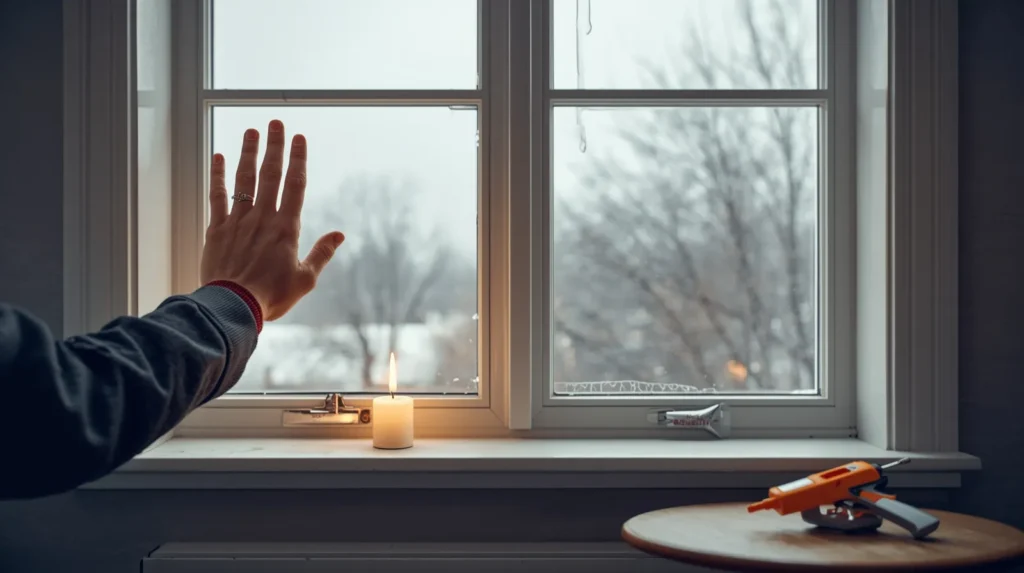
Before winter begins, inspect every window in your house. Look for cracks in caulk. Feel for air leaks. Check if locks close tightly. If you see peeling paint or moisture marks, take action early.
Winterizing house windows works best when done before freezing weather hits. Materials like caulk and sealant stick better in mild temperatures. Planning ahead gives you time to fix issues properly.
Many people think only old windows need attention. That is not true. Even newer windows can develop gaps as homes shift over time. Wood frames expand and shrink with temperature changes. Small cracks form. Air moves through those cracks.
A simple test helps. On a windy day, hold your hand near the window edges. If you feel cold air, sealing is needed. You can also use a small candle. If the flame flickers near the frame, air is entering.
Preparation now prevents stress later.
How to Winterize Windows the Right Way
The best way to winterize your windows includes three main steps. Seal air leaks. Add insulation. Protect the exterior frame.
Start by cleaning the window area. Dust and dirt stop sealants from sticking. Once clean, check every edge. Look at the corners carefully. Most air leaks happen there.
Next, seal small cracks with caulk. Use exterior grade caulk for outside areas and interior sealant inside. Apply a thin, even line. Smooth it with your finger or a tool. Let it dry fully.
Then, add weatherstripping around moving parts. This helps when you close the window. It creates a tight seal. Foam tape works well for small gaps.
If your windows feel very cold, install clear plastic insulation film. This adds an extra layer between warm indoor air and cold glass. It is affordable and easy to install.
Winterizing house windows does not require special skills. Care and patience matter more than tools.
Step by Step Guide to Winterize Your Windows Inside
When you winterize windows inside, follow these clear steps. Work slowly and check each window one by one.
Step 1: Inspect the Window Carefully
Stand close to the window and look at the frame, glass edges, and corners. Feel around the sides with your hand to check for cold air. Mark any spots where you feel drafts.
Step 2: Remove Old or Cracked Caulk
If you see dry or broken caulk, scrape it off using a small putty knife. Old sealant will not hold well. Wipe the area clean with a dry cloth so the new seal sticks properly.
Step 3: Apply Fresh Interior Caulk
Use a caulk gun to apply a thin, steady line along gaps between the window frame and the wall. Keep the line smooth and even. Press lightly with your finger to seal it flat. Let it dry fully before moving to the next step.
Step 4: Install Weather-stripping
Measure the sides where the window closes. Cut weatherstripping to fit those areas. Peel and press it firmly in place. When you close the window, it should feel tight but still easy to lock.
Step 5: Add Window Insulation Film
Apply double sided tape around the inside frame. Place clear insulation plastic over the tape and press it down. Use a hair dryer to gently heat the plastic. It will shrink and become tight and smooth. This creates an air barrier that keeps warmth inside.
Step 6: Seal Small Gaps with Foam Rope
If you notice larger cracks, push foam rope insulation into the gaps. It should fit snugly without forcing it too deep.
Step 7: Check Window Locks
Close and lock the window firmly. Locked windows seal better because the sash presses tightly against the frame.
Step 8: Use Heavy Curtains at Night
Install thick curtains or thermal drapes. Close them at night to trap warm air inside the room. Open them during the day to let sunlight warm your space naturally.
Following these steps helps winterizing house windows become simple and effective. Each small improvement adds up and keeps your home warmer throughout the season.
Winterize Windows Outside for Maximum Protection
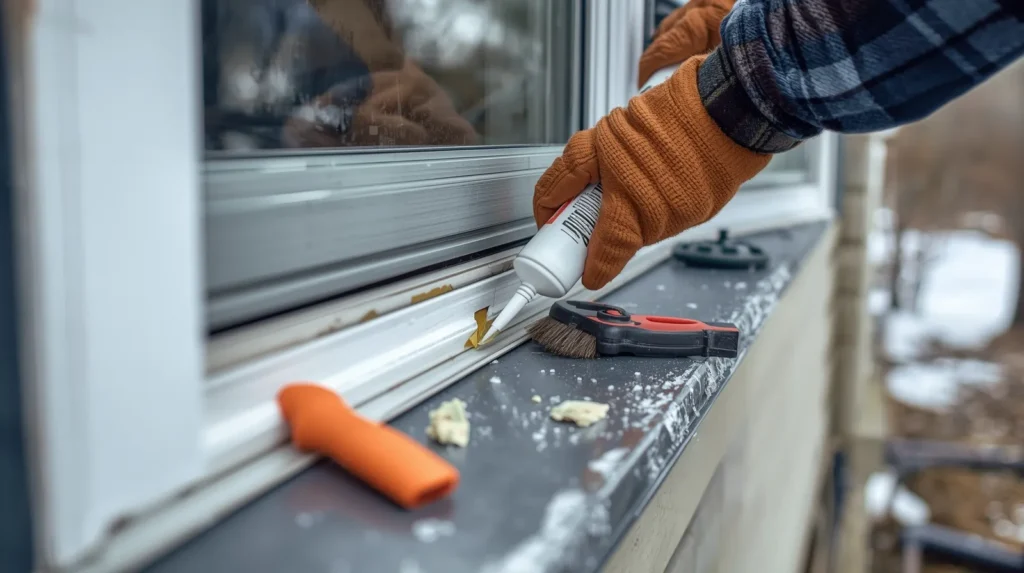
When you winterize windows outside, focus on moisture and air leaks.
Inspect the outer frame. Look for gaps between siding and window trim. Apply exterior caulk where needed. Make sure surfaces are dry before applying.
Check the sill. Water often collects here. Clean debris and seal cracks to prevent moisture damage.
If you see damaged trim, repair it before sealing. Sealing over rotten wood traps moisture and makes the problem worse.
Winterizing windows from the outside also includes checking flashing. Flashing directs water away from the window. If it is loose or missing, water can enter walls.
Always use a stable ladder. Safety comes first. If a window sits high above ground, consider hiring a professional.
Winterizing Windows from the Outside Without Causing Damage
Sealing must be done carefully. Too much caulk can trap moisture. That can lead to mold.
Never seal weep holes at the bottom of certain windows. These holes allow water to drain. Blocking them causes water buildup.
Choose high quality exterior caulk. Cheap products crack quickly in freezing weather. Silicone or polyurethane based sealants work well in cold climates.
Apply sealant only where gaps exist. Do not seal movable parts. Windows need to open and close properly.
When done right, winterizing windows from the outside protects your home from drafts and water damage at the same time.
How to Winterize Single Pane Windows for Better Insulation
Single pane windows lose heat faster than double pane units. If you want to know how to winterize single pane windows, focus on adding layers.
Start with sealing single pane windows along the frame. Use fresh caulk and weather-stripping.
Next, apply window insulation film. This creates an air pocket. Air pockets slow heat transfer.
You can also use temporary storm windows. These add another protective barrier.
For older homes, foam rope insulation works well for large gaps. It presses into cracks and removes drafts.
Single pane windows require extra care, but improvement is possible without full replacement.
Smart Materials That Make Winterizing House Windows Easier
Choosing the right materials makes the job simple.
Caulk seals cracks. Weather-stripping seals moving edges. Foam tape fills small gaps. Insulation film adds a clear barrier. Draft stoppers block air under window sills.
Not all products are equal. Look for materials rated for outdoor use if applying outside. Indoor products may crack in freezing weather.
Quality tools also help. A caulk gun gives better control. A utility knife ensures clean cuts.
Good materials last longer. That saves time and money in the future.
Signs Your Windows May Need Professional Help
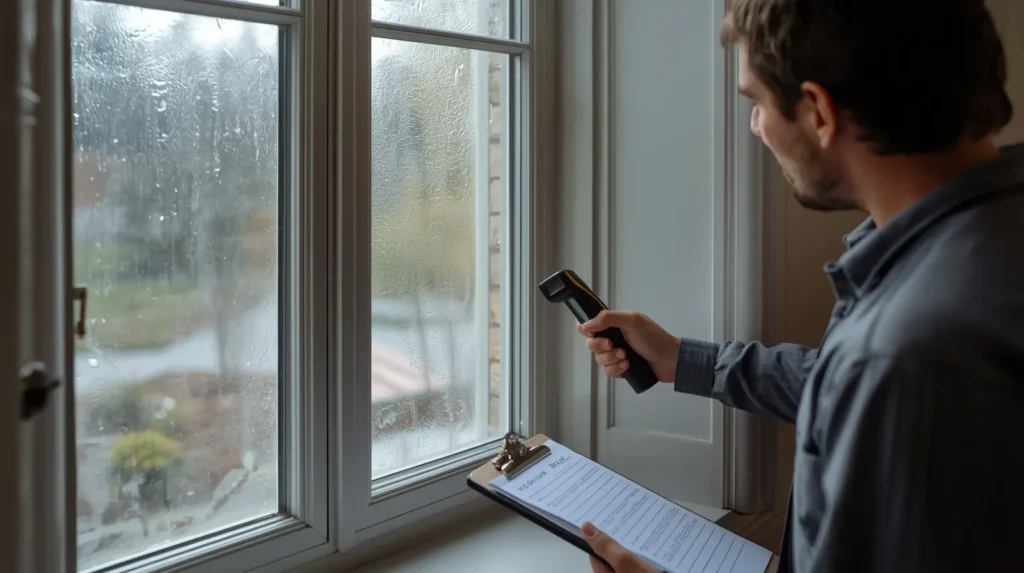
Sometimes DIY work is not enough.
If you see condensation between glass panes, the seal may be broken. If frames feel soft, wood rot may exist. If drafts remain after sealing, the window unit may be damaged.
High energy bills can also signal poor insulation.
Professional inspection helps identify hidden problems. Experts check frame alignment, insulation gaps, and moisture damage.
At FONZ Construction, experienced professionals inspect windows carefully before recommending repairs. The goal is always long term performance, not quick fixes.
Why Proper Winterizing Matters for Homes in Hillsboro
Homes in Hillsboro face cold winter temperatures and steady rain. Moisture and cold air together create stress on window frames.
Proper sealing prevents water from entering walls. Good insulation reduces heating strain.
When you winterize your windows before winter hits, you protect your home structure and keep indoor air comfortable.
Local weather conditions make preparation even more important.
Protect Your Home This Winter with Help from FONZ Construction
Winter preparation protects comfort, savings, and safety. Sealing gaps keeps heat inside. Insulation reduces energy loss. Exterior protection prevents moisture damage.
Homeowners who take time to inspect and seal windows see real improvements. Rooms feel warmer. Heating systems run less often. Bills stay under control.
FONZ Construction has years of hands on experience helping homeowners strengthen their windows before winter. Careful inspections and honest advice build trust with every project.
Winterizing house windows is not only about saving money. It is about protecting your investment. When done correctly, your home stays strong through cold months.
If you want peace of mind this winter, reach out today for a professional window inspection and reliable service you can trust.