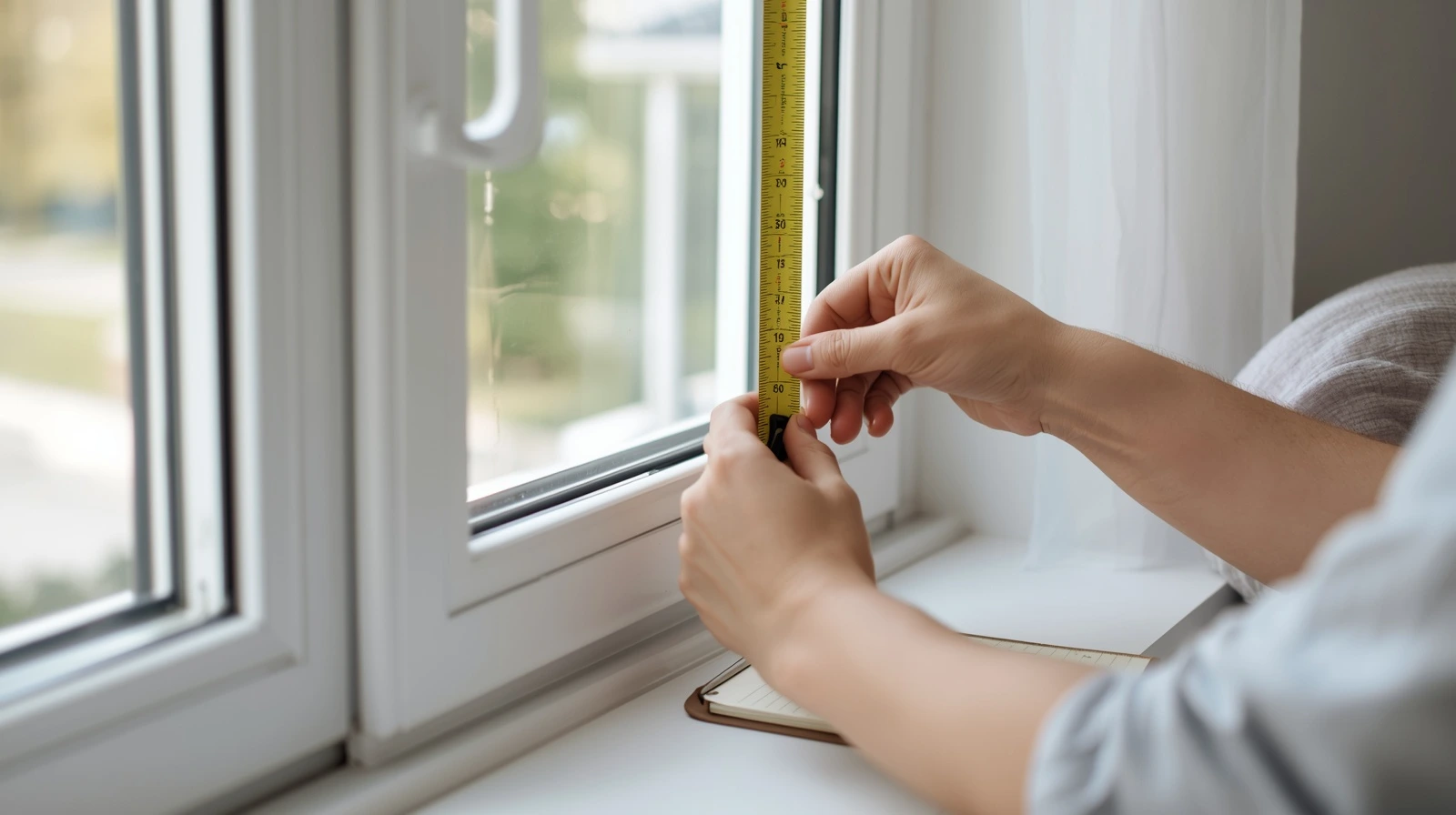
How to Measure for Siding starts by measuring each wall, finding the square footage, subtracting openings, and converting the total into siding squares. That is the short and simple answer.
This guide walks you step by step through siding measurement in a way that anyone can follow. You will learn how to measure for siding with confidence, how to figure square footage, how to calculate siding squares, and how to avoid the common mistakes people make. The goal is to help you save money, order the right amount of material, and understand the whole process before you begin. Every method below is easy to follow, and each step shows real world logic and practical experience. This creates a guide that supports trust and gives you clear guidance for your own home project.
Why Proper Siding Measurement Matters Before You Buy Materials
Good siding measurement saves money. When a home is measured the right way, you get the correct number of siding squares for the job. If someone guesses or measures too fast, they can order too much or not enough. Over ordering wastes money and under ordering slows your project.
Accurate siding measurement also helps installers work faster because they can plan how pieces will fit on each wall. It prevents gaps, shortages, uneven cuts, and delays. This is why professionals take time to measure a house for siding instead of guessing.
What Is a Square in Vinyl Siding and Why It Matters
A key part of measuring siding is understanding what a siding square is. A vinyl siding square is a simple unit of measurement that helps you estimate material. One square covers 100 square feet. If a wall has 200 square feet of area, it needs 2 squares of siding. If it has 350 square feet, it needs 3 and a half squares.
Many homeowners ask how big a square of siding is. The answer is always 100 square feet. This unit makes planning easier because you can convert your wall measurements into siding squares without complicated steps.
Knowing this also helps you understand product boxes and bundles. Some boxes cover part of a square and some cover a full square, so you must check the label when you order.
Tools You Need for Accurate Siding Measurement
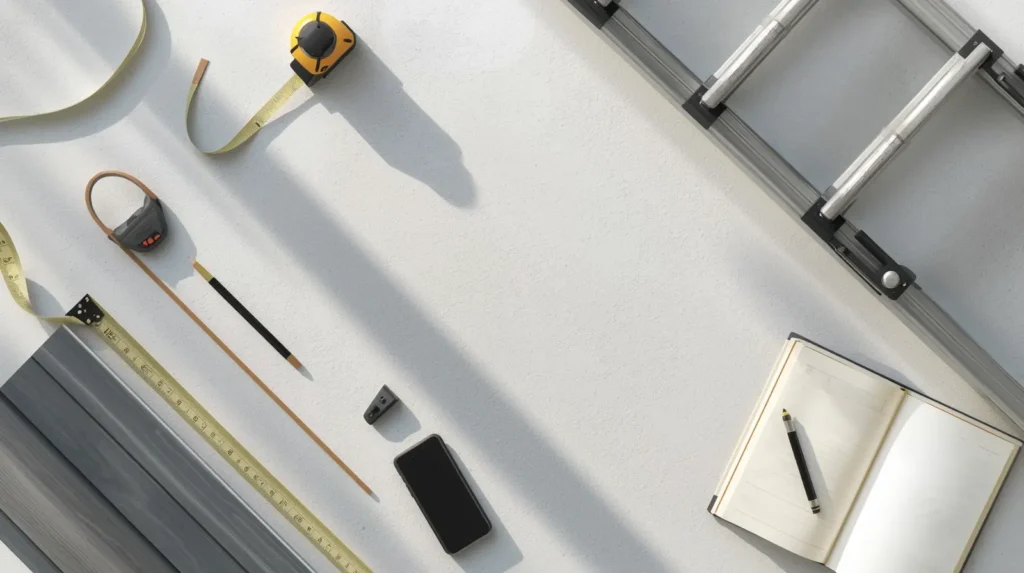
You do not need fancy tools to measure siding. You only need a few items that help you stay accurate.
The basic tools include:
• A tape measure or laser measure
• A ladder
• A siding measuring tool or simple measuring stick
• A calculator
• A notebook or siding measurement tool on your phone
These tools make it easy to measure walls, windows, and openings. With good measurements, the numbers you enter into a siding calculator or siding estimator will be much more accurate.
How to Measure for Siding Step by Step
The best way to measure a house for siding is to take it one wall at a time. Start at one corner and move around the home.
Step 1. Measure the width and height of each wall.
Use your tape or laser measure. Write each number down.
Step 2. Multiply the width by the height.
This gives you the square footage for siding for that wall.
Step 3. Measure doors and windows.
Because siding does not cover these areas, subtract them from the total wall area.
Step 4. Add all the wall areas together.
This gives you the exterior wall square footage for the whole home.
This method works for every home. When you follow each step, your numbers stay clean and mistakes stay low.
How to Measure Siding Square Footage Correctly
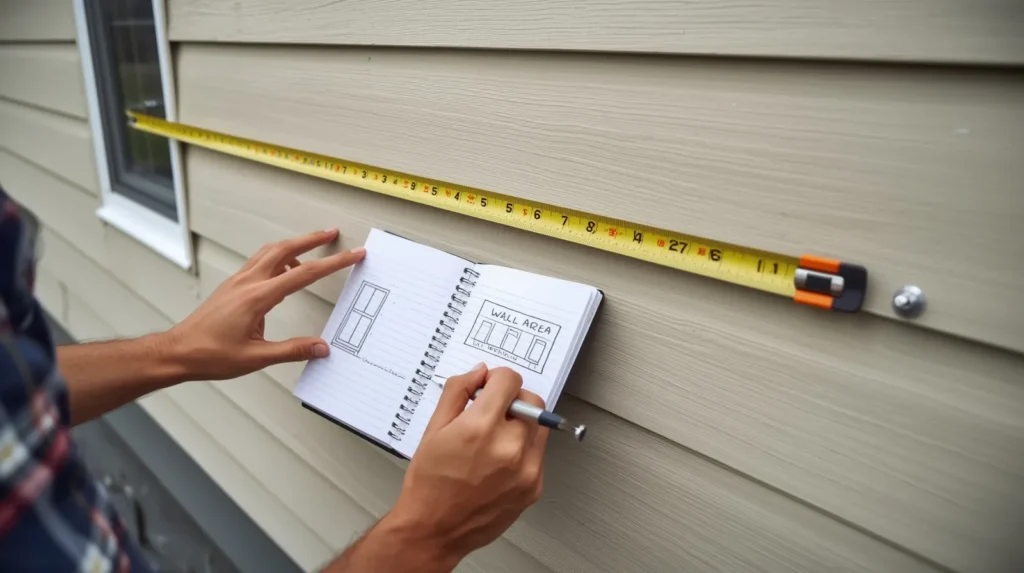
When homeowners ask how to measure siding square footage, the process is simple. The square footage for siding starts with the area of each wall. After you remove the window and door openings, you get the true siding area.
If you like using tools, an exterior wall square footage calculator can help. You still must measure the walls yourself, but the tool can handle the math. These tools are helpful when you want quick answers or when you want to double check your numbers.
How to Calculate Siding Squares Without Over Ordering
Once you know the total square footage, the next step is learning how to calculate siding squares. Take the full siding area and divide it by 100. This gives you the number of siding squares your home needs.
Example:
Total siding area is 1,250 square feet.
Divide 1,250 by 100.
You get 12.5 squares.
Most professionals add a little extra for waste. This covers angled cuts, starter strips, and trimming around windows. The waste amount depends on the shape of the home, but ten percent is common for straight walls.
This simple method explains how to figure siding squares without stress.
How to Calculate How Much Siding You Need
Some homeowners ask how many square feet of siding they need or how much siding they should buy. This depends on your total measurement and the product you choose. Each product box covers a certain number of square feet.
To calculate siding material correctly:
• Find your total square footage
• Convert it into siding squares
• Check how many square feet each box covers
• Divide the need by the box coverage
If you ask how much siding do I need, the answer always comes from your measurements. Clean numbers always lead to clear answers. This is the same method used by installers and house siding estimators.
Using a Siding Calculator, When and How to Use One
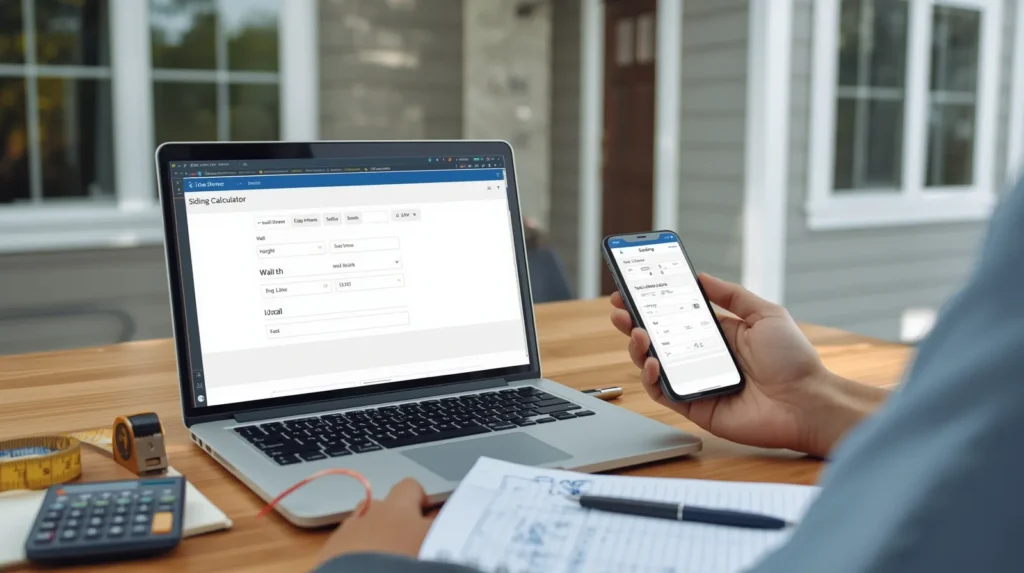
A siding calculator can help if you want fast estimates. These tools let you enter your height and width numbers for each wall. The siding calculator square feet tool then adds the numbers for you.
There are many calculator styles, such as:
Siding calculator
- Siding squares calculator
- Square siding calculator
- Home siding calculator
- House siding calculator
- Siding estimate calculator
- Siding material calculator
These tools are helpful, but they are only as good as the numbers you enter. If your measurements are correct, the tool can help you check your math and plan your project.
Common Mistakes When Measuring for Vinyl Siding
Even a small mistake can create problems later. These are the most common mistakes homeowners make while measuring.
Skipping gables.
Gables need careful measurement because they have a triangle shape.
Forgetting to subtract openings.
Siding does not cover windows or doors. If you skip subtracting them, your order will be too large.
Not checking product coverage.
Different brands offer different vinyl siding square coverage. Always check the label.
Not adding waste allowance.
Cuts around corners and trim will always create waste. Add a little extra to avoid running short.
Trusting a calculator alone.
A siding square footage calculator helps, but you must measure your walls by hand. Poor measurements create poor estimates.
Avoiding these mistakes makes your project smoother and protects your budget.
Get Accurate Results with Professional Help from FONZ Construction in Hillsboro
Measuring a house for siding can be simple, but some homes have many angles, tall walls, or detailed trim. When the layout is complex, a professional measurement helps you avoid costly errors. A trained installer knows how to check areas that most homeowners miss. They also understand product coverage, waste allowances, and wall shapes.
If you want help, FONZ Construction offers expert measurement and guidance. The team uses the same detailed process shown in this guide, but with trained eyes and job experience. This gives you accurate results that protect both time and money. Using a professional also removes stress because the numbers will be right the first time.
Working with a trusted company builds confidence. When you choose a team that follows clean standards, clear math, and proven methods, your project becomes easier. Many homeowners appreciate when a professional gives them clear answers, clean measurements, and simple steps for the next stage. This is what FONZ Construction focuses on every day.
When you are ready to move forward, reach out and get a simple measurement visit scheduled. It only takes a short time, and you will know the exact amount of siding your home needs. This keeps your project smooth from start to finish and helps you plan the right way.