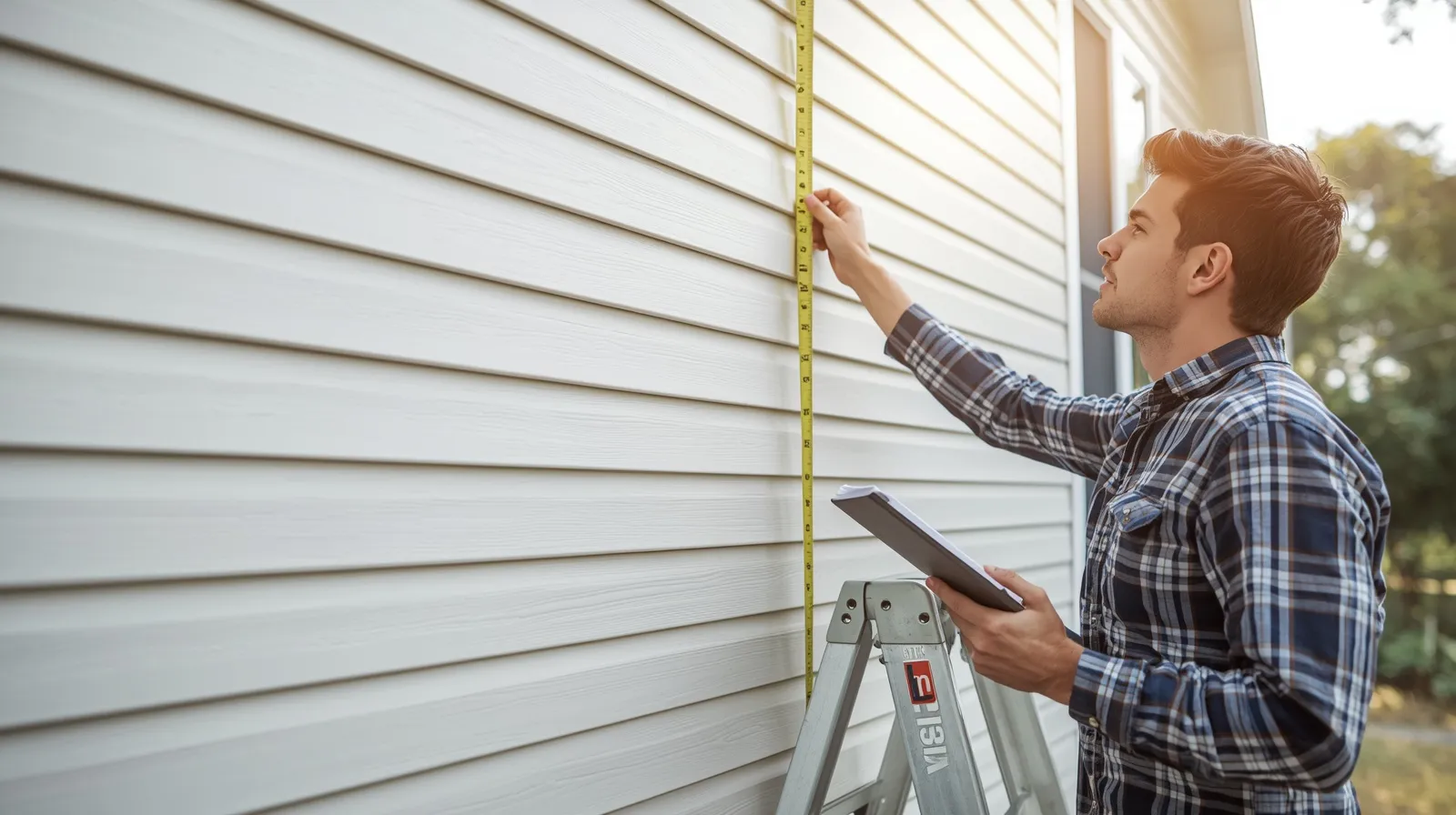
Basement window waterproofing means protecting your basement window area so that water cannot enter during rain or moisture changes. The clear answer is this. When you waterproof the windows in a basement, you stop leaks and prevent long term damage. This makes the space safer, cleaner, and more comfortable. The process can include sealing gaps, improving drainage, protecting the window well, and sometimes replacing old windows to stop moisture from returning.
Many homeowners deal with a basement window moisture problem, and they usually notice it only after water leaking through the basement window becomes a common issue. This guide explains the complete picture in simple terms. You will learn why basement windows leak, what signs to look for, and what protection methods give real results. You will also learn when the problem cannot be solved with sealants alone and why professional support matters for long term safety.
How Basement Windows Become a Hidden Moisture Risk
Basement windows look small and harmless, but they carry more risk than windows in other parts of the home. They sit low to the ground, often surrounded by soil. When rain falls, the ground becomes soaked, and that moisture pushes toward the window frame. Over time the pressure increases, and water tries to enter any small crack or weak seal.
Older homes show this problem more often because the window frames become worn or the original sealants soften. However, even new homes can face the same issue. Poor surface grading can push water toward the basement wall. Clogged gutters can dump rainfall right beside the lower windows. Window wells can fill with water when the drainage is bad. All these situations create a perfect path for water to enter.
Another hidden factor is temperature change. Basements stay cooler, which makes moisture gather on cold surfaces. This can cause condensation around windows even when the window is not leaking. Homeowners sometimes think it is a leak, but in truth it is the window reacting to humid indoor air.
So, basement windows become a risk because of three main reasons. The ground around them stays wet, gravity pulls water toward them, and the frames face more pressure and moisture than other windows. When you understand this, you can see why waterproofing is not optional. It is a must for protecting the lower part of your home.
Common Signs of a Basement Window Moisture Problem
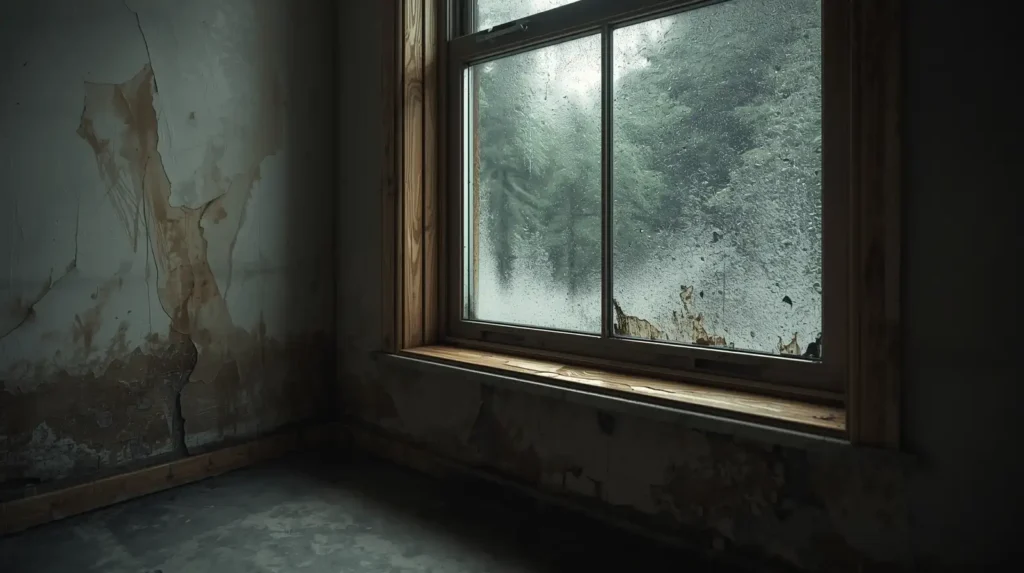
A basement window moisture problem rarely begins suddenly. There are usually early signs that show up first. Homeowners who notice these signs early can stop small moisture problems from becoming big water leaks.
The most common signs include the following.
- Light damp spots around the window frame
- A slow dark stain on the drywall or concrete
- Soft or swollen wood around the frame
- Condensation that stays on the glass
- A musty smell near the window
- Peeling paint around the trim
- Dirt lines or silt on the window sill after rain
One major sign is water leaking through the basement window during heavy rain. When this happens, you know water has already found a pathway. The leak may be very small at first. You may only see a few drops or a thin line of moisture. Some homeowners ignore it because it looks minor, but even a tiny leak can allow large amounts of bacteria, moisture, and mold to grow.
A second important sign is moisture coming from the bottom of the frame. This usually happens when water collects in a window well. If the well fills up, the water has nowhere to go except inside the basement.
The earlier you recognize these signs, the easier it is to control the problem. Quick action prevents further damage and protects the overall structure of your home.
Why Water Leaks Through Basement Windows
Water leaks through basement windows for several different reasons. The cause is not always the same. Understanding the reason helps you choose the right solution.
Here are the most common causes explained in simple language.
- Poor drainage around the house
If the soil slopes toward the home, rainwater flows toward the basement windows instead of away from them. - Clogged or broken gutters
When gutters overflow, rain lands right beside the basement window. This increases pressure on the frame. - Window well issues
A window well should drain water. But if the drain becomes clogged or if the well was not installed correctly, water will build up until it reaches the bottom of the window. - Old or damaged seals
Window frames have seals to block water. With time these seals dry out and crack. Water begins to enter through the smallest openings. - Cracked concrete around the window
Even tiny cracks can let water seep in. When it rains, the pressure pushes moisture into the basement window area. - Condensation made worse by humidity
Sometimes the leak is not direct water entry. Instead, humidity settles on the cold basement window and drips down. This still causes moisture problems. - General aging of the window system
Frames warp. Caulking breaks down. Metal parts rust. All these weaken the ability of the window to resist moisture.
Most basement leaks come from a combination of these factors, not just one. This is why an effective waterproofing plan looks at the whole picture, not only the window itself.
Moisture vs Active Leaks
A homeowner should understand the difference between a moisture problem and a true active leak. They look similar but need very different solutions.
Moisture problem
Moisture problems often come from indoor humidity touching a cold window. There is no major damage yet. It is mostly condensation. The glass fogs up. Small droplets gather at the bottom. The window may look wet, but water is not entering from outside.
Active leak
An active leak means water is physically entering the basement from outside. This comes from rain, melting snow, or groundwater. You will see water drops, streaks, or wet patches that grow during rainfall. You may even see dirt washed inside.
A moisture problem can usually be fixed with airflow changes or basic sealing. An active leak requires deeper waterproofing work, and sometimes the window system must be updated or replaced. Confusing the two leads to wasted time and money, so it is important to know what you are dealing with.
The Role of Window Condition in Basement Waterproofing
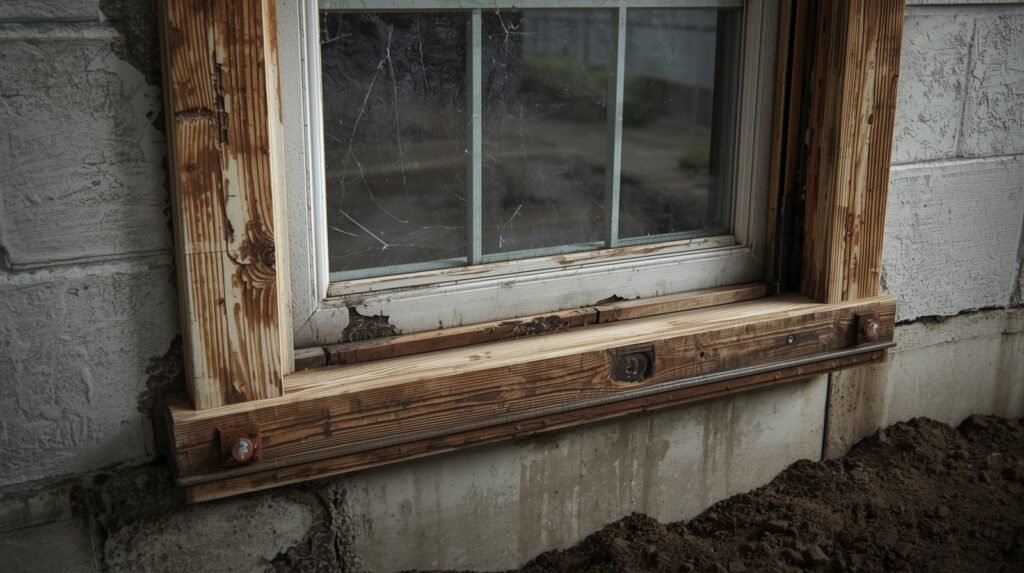
The condition of the window itself plays a large role in waterproofing. Even the best sealants cannot work if the window frame is failing.
Older windows often have the following issues.
- Wood rot that softens the frame
- Metal parts that have rusted
- Glass that no longer fits tightly
- Frames that are bowed or cracked
- Sealant lines that have pulled away from the surface
A basement window is always exposed to soil and moisture. When the frame ages, its strength decreases. This gives water a chance to enter. Some homeowners try to patch an old window many times. They apply more caulk each year. They try to seal cracks themselves. But if the window system is no longer strong, patches only give short term help.
In some cases, the best fix is to update the window with a modern installation. Newer windows have stronger seals, better frames, and improved glass. They are also designed to resist moisture better. When a window is too old or damaged, waterproofing methods work much better once the window is replaced or restored to a solid condition.
Basement Window Waterproofing Methods Homeowners Should Know
There are several methods that work for basement window waterproofing. Each method has a different purpose. Some methods control moisture. Others block water entry. Some protect the ground around the window. When used together, they give long term safety.
Here are the most common and effective methods.
- Clearing the window well If a window well fills with water, it becomes a problem. Cleaning the drain and removing leaves helps water flow in the right direction.
- Adding a clear cover
A window well cover prevents rain and debris from entering. This keeps the area dry and reduces water pressure on the window. - Sealing gaps inside and outside
High quality sealants help close small openings. This is useful for minor moisture problems. - Repairing or improving the drainage
Sometimes the ground needs to slope away from the house. This keeps water from collecting near the window. - Improving indoor airflow
Better airflow reduces condensation and stops moisture from forming on the glass. - Updating the window frame
If the frame is damaged, strengthening or replacing it helps the waterproofing work last longer. - Applying exterior waterproof coatings
These coatings resist moisture and protect the edges around the frame. - Installing new modern windows
When an old window no longer seals well, a new installation solves the problem fully instead of temporarily.
With the right mix of methods, a basement window stays strong against both moisture and heavy rain.
Exterior and Interior Factors That Affect Waterproofing Results
Waterproofing is not only about the window. The area around the window must also work correctly. Both exterior and interior factors matter.
Exterior factors include the following.
- Soil level, which should slope away
- Gutter condition, which must allow clean water flow
- Downspouts, which should move water far from the home
- Window well drainage, which must stay clear
- Surface grading, which prevents water pooling
If any of these fail, water moves toward the basement window, and leaks become more likely.
Interior factors include the following.
- Humidity level inside the basement
- Ventilation in the room
- Condition of the frame and trim
- Airflow around the window
A basement needs good air movement. Stale air and high indoor humidity create moisture on windows, and that moisture causes mold and damage over time.
When both the exterior and interior conditions work together, waterproofing lasts much longer. When one side fails, the window cannot stay dry, even with sealants.
When Basement Window Issues Point to Replacement
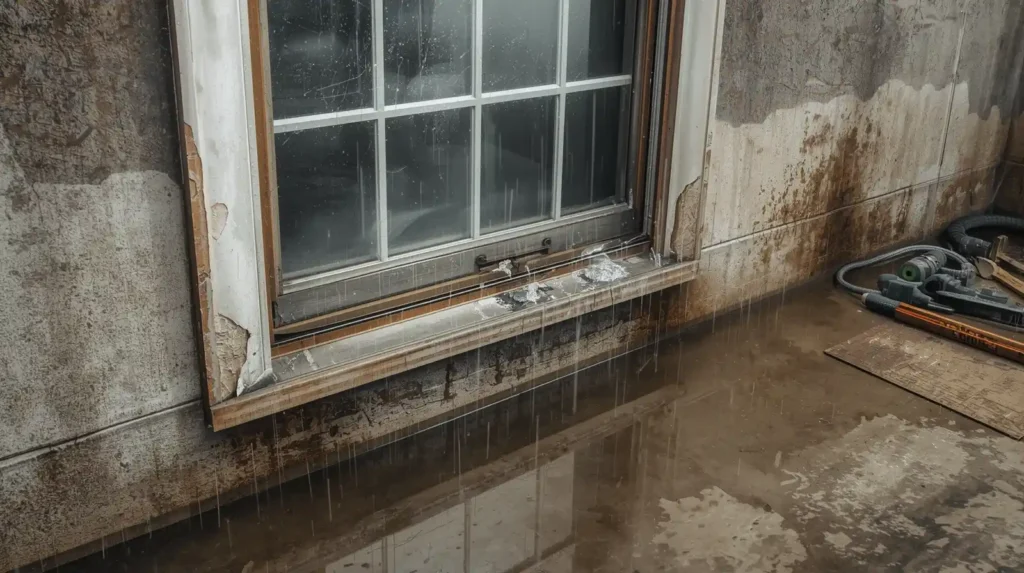
Sometimes the issue is not moisture alone but the window reaching the end of its lifespan. If the window is too old or too damaged, waterproofing alone cannot solve the issue.
Here are signs that replacement may be the better choice.
- The frame is soft or crumbling
- Water enters during every heavy rain
- Sealant repairs wear out quickly
- Condensation stays on the glass all year
- The window will not open or close correctly
- The window well fills with water because the window sits too low
A homeowner sometimes tries several repair methods before realizing the real solution is to remove the failing window. A new installation creates a strong seal, better insulation, and improved drainage. This does not only stop leaks. It also increases comfort and protects the home’s value.
Professional window installation and replacement gives a fresh start and removes the weak points that allowed water to enter in the first place.
Basement Window Challenges Common in Hillsboro Homes
Homes in Hillsboro experience a mix of wet seasons, cloudy days, and cool temperatures. This combination creates high moisture around basement walls. Soil can stay wet for long periods, and that creates pressure on windows that sit below ground level.
Many homes also have older window wells that have filled with dirt over time. When the well fills, the drainage pipe cannot work, and water collects right against the window. These conditions often cause water leaking through basement window frames during long or heavy rainfall.
Homeowners in this area also see more condensation problems because basements stay cooler. This makes it harder to tell if the issue is moisture or a real leak.
This is why regular care, inspection, and proper installation are important for long term protection.
Planning Long Term Protection for Your Basement Windows
Long term protection comes from more than a quick patch. It requires a full plan, simple steps, and the right tools. The safest plan includes the following.
Check the window wells each season
Make sure the ground slopes away
Keep gutters and downspouts clean
Watch for early moisture signs
Repair small gaps before they grow
Replace failing windows when needed
When the window is strong, the surrounding area is dry, and the frame is sealed correctly, you get long lasting safety.
Strong professional work also matters. A team that understands window installation and replacement can prevent moisture issues that keep returning. This is why many homeowners trust experts when the problem is more than a simple leak.
FONZ Construction has helped many homeowners improve their basement window condition through proper installation and protective work. Their knowledge ensures the whole system works, not just the small visible part. When the entire window setup is correct, waterproofing becomes far more reliable.
You can protect your basement with confidence by choosing a method that fits the real cause of the issue. Whether the window needs sealing, drainage improvement, or replacement, the right plan keeps your basement dry year after year.
FONZ Construction provides guidance, inspection, and expert window installation that supports both safety and comfort in your home.
If you want a dry and safe basement, now is a great time to schedule help. A quick inspection can prevent bigger repairs. Reach out today and get trusted support for your basement window needs.